Showing posts with label air pollution. Show all posts

Wednesday, August 10, 2016

If you have a headache on a regular basis, doubt whether you have a problem in yous sinus


It is a saga that contains 25 years of experience in treating sinus and rhinitis by OMD Lee Woo Jeong! It is Condisered an innovative treatment in the circle of oriental medicine.
 
You can treat the nose (sinusitis, rhinitis, snoring, sleep apnea etc)
by a pricking your noce therapy.
 
Just by acupunture without getting a surgery, it helps you recover the original state of the nose.
 
 
About the Book 

Sinus school deals with a comprehensive range of topics including: obstinate nature of nasal disorders, reasons for avoiding surgical treatment, the need and method of acupuncture therapy. The author, Dr. Woo Jeong, Lee (OMD), who has been dealing with nasal disorders for 25 years shares her own LWM Method she applied to her patients in order to treat ENT problems.
 
In this book, she points out that you do not need to receive surgical treatment to cure nasal problems such as sinusitis, rhinitis or snoring. The most critical reason to avoid surgery is the permanent loss of the unique functions carried out by the nasal cavity and paranasal sinuses. Surgical exeresis of the affected membranes results in permanent discard of the functional layer of the nasal mucosa.

On the contrary, her acupuncture therapy in the nasal mucosa is an innovative treatment that not only reduces the swelling to clear the nose but it also revitalizes the membranes to stand against sinus colds. Needle-pricking therapy on the nasal mucosa can successfully treat nasal congestion caused by rhinitis and facilitates the recovery process without having a prolonged course of medicines.
 
Moreover, it reduces the risk of developing chronic rhinitis, by substantially reducing the swelling in the nasal mucosa. Besides, this book particularly arouses readers’ purchasing need, especially those who suffer from nasal problems in that the book introduces self-care remedies that you can practice at home using a suction device or by doing salt-water cleansing. According to Dr. Lee many diseases such as dry eye syndrome, otitis media, Meniere’s syndrome, headaches, the pituitary gland and sphenoid sinus, snoring and restless legs syndrome have often a lot to do with sinus disorders. Rich and specific treatment examples and clinical experiences included in the book will give you professional guidance in dealing with patients in the oriental medical field.
 
for purchasing the book: www. amazon.com and search the sinus school (Lee Woo Jeong)

Tuesday, August 2, 2016


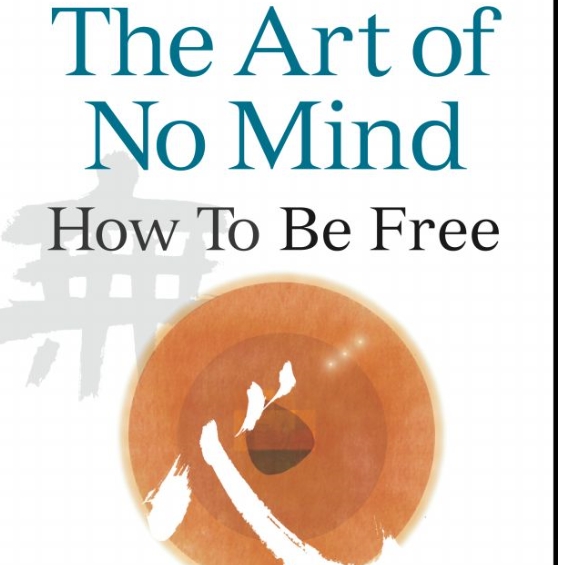
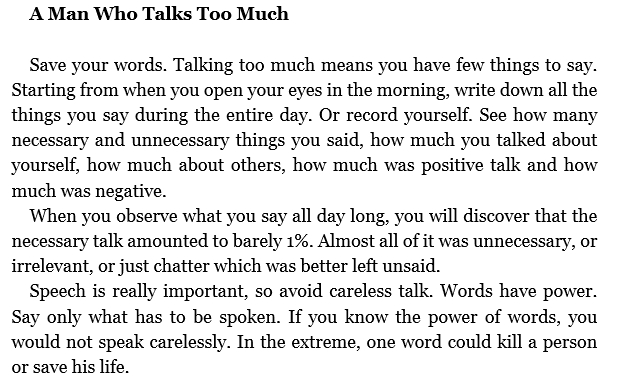
The Art of No Mind

Today let me introduce a book that always comfort my mind whenever I read it.
When I am feeling blue or things don't go well for me, I pick up this book and randomly read, then
I find my mind becoming much lighter.

It is "The Art of No Mind"


Just by reading a few lines you will experience getting liberated from agonies which have been incessantly dragging you down and then an offshoot of cool wind blows into your care-free mind. This book teaches you about the art of no mind, the magical way of changing common ordinary days into grateful and amazing days.

According to the author, “no mind” means the state of mind that accepts everything without discrimination. When you become “no mind”, you can be completely concentrated on your work and can draw on all your potential creative energy.

While “no mind” reduces excessive expectation regarding yourself or others, it increases the joy of “now”, enables you to focus on your work without distracting emotions and thus affords the most effective outcome. Also, with no mind you will grow passion for life and will want to demonstrate something to humanity and have a free life detached from concern about what others think about you.

This book tells you how to use the art of no mind to get rid of stress you receive at work or at home, by giving you actual examples about those situations. Since it was first released back in 2004 in South Korea, it has become a national best-selling book on meditation. Hopefully this book will bring comfort to many readers’ hearts of in English speaking countries.

You can purchase the book on

https://www.amazon.com/Art-No-Mind-Suroso-Mun-ebook/dp/B003ES5RBC/ref=sr_1_1?ie=UTF8&qid=1470140751&sr=8-1&keywords=the+art+of+no+mind#nav-subnav

Thursday, June 9, 2016

DRY EYE SYNDROME: It's a matter of your sinus, not your eyes (Sinus School by Dr. Lee)


DRY EYE SYNDROME & HOW TO TREAT DRY EYES
 
 
DES is a condition caused by a lack of moisture on the surface of the eye.
The cause of the dryness is the heat that dissipates moisture from the eye.
The heat evaporates the tear that lubricates the oscular surface.
When there are not enough tears, the eye becomes dry and cause redness and feeling gritty.
 
In worsened state, the eyestrain becomes constant whether the eyes are opened or closed. Sleep may bring temporary relief to the condition, but the eye fatigue returns soon.


The Signs of DES
 
At early stage, people are not aware of their bloodshot eyes. They only find out once they see themselves on the mirror. This, however, normally goes away after a night of sound sleep.
 
The body's anatomical structure is designed in such a way to effectively diffuse the heat generated from the eyes, in taking each breath. Therefore, frequent blood-shot eyes warrants attention. The increased frequency of bloodshot eyes may coincide with partially blocked paranasal sinuses. At this stage, the body can cope with it by inducing more fluid by blinking the eyes more often. Accordingly, frequent blinking can be a sign of early DES.
 
Here is the summary of how DES progresses.
 
Stage 1. More frequent blinking
 
Stage 2. More forceful blinking, involving the eyelid muscles
 
Stage 3. Frequent bloodshot eyes
 
Stage 4. Frequent eyestrain and display eye discharge more than others
 
Stage 5. Increased light sensitivity and soreness in the eyes  
 
Stage 6. Feeling burning sensation in the eyes when exposed to dry or polluted air
 
Stage 7. Eye sight becomes blear and deteriorate
 
Stage 8. Eye sight becomes foggy and feeling pain
 
Stage 9. Frequent infection in the eyelids
 
Stage 10. When woke up in the morning, the eyes are dry and red
 
Stage 11. Regardless the eyes closed or opened, the eyestrain remains


The number of patients who suffer from DES is rapidly growing. Several decades ago, when I was in college, the name DES was even unheard of, showing how rare this condition was. But in recent years, people who had no previous visits to an eye doctor, seeking medical help for DES.
 
As mentioned previously, DES is not an opthalmologic disorder, but an ENT disorder. While the growth of rhinitis and sinusitis make a steep angled increase lately, the growth of DES patients represents similar trend. The sales of artificial tears have risen sharply, depicting the increase in the number of DES patizzaents.
 
One thing I repeatedly learn from treating DES is that we are all victims of air pollution. Our reluctant generation has lost the privilege of enjoying the clean, fresh air. It is truly saddening to watch well treated patients can succumb to air pollution; air pollution can wear out the nose, and in turn, it undermines the function of the nasal cavity and paranasal sinuses.
 
DES was named, because people thought the problem was caused by lack of tears that keeps the cornea moist. But the treatment has been centered around treating the dried cornea. To say differently, DES is a disorder caused by lack of sufficient airflow in the paranasal sinuses that cools the heat in the cornea. Subsequently, the untreated heat dries up the tears and strains the surrounding muscles, causing the entire eye to be tired.
 
Some DES patients apply hot packs on their eyes to increase the blood flow in the region, but this must be discouraged. The tiredness in the eyes is caused by the heat. For the sake of the eyes, heat must not be used to treat the eyes. The heat that circulating blood can carry away is much smaller than the amount of heat applied by a hot pack, bringing no benefit to the eyes at the end. Staying long in a sauna not only fails to offer help, but it aggravates the condition. Applying a cold-pack, therefore, is much more preferable. The heat has been captured in the eyes for a prolonged period, which is a condition induced by blocked sinuses. One of the best self-remedies to cool off the heat is applying a cold-pack. 
 
If you wish to know more about your symptoms and methods to cure, please go to 
www.amazon.com and find "Sinus School" =) You will receive information on variety of symptoms and results of rhinitis and sinusitis.


Saturday, June 4, 2016

Sinus School Program: Environmental Pollution & Nasal Problems.


Sinus School Program: Environmental Pollution & Nasal Problems.

If you are worried to come down to Goheung, due to accomodation and food,
we prepared a program called "sinus school. "

For patients who live a long way away from the clinc, you can stay in the near eco-community
and live on a vegetarian diet. You can eat locally grown vegetables and rice every day while
you receive treatments, sleep in an eco-community.

Thesedays many patients who suffer from nasal problems are in many cases the result of
environmental pollution in their city lives. 10 or 20 Years, I could not see many patiets who
particularly suffer from allergic rhinitis or sinusitis. Their sinuses become weak due to lives in a polluted cities.

Recently we had a sinus school program for 4 nights and 5 days.
There we had awesome vegetarian meals.


Yesterday we had kimchi, pickled peppers, seasoned soybean sprouts, cold and sour cucumber soup,
tofu steaks and fruits for dessert!


Three plates of tofu salad. Dressing is made of yuja(a kind of citron) juice.


Do you see tofu steak? It is no.1 beloved food by the guests.


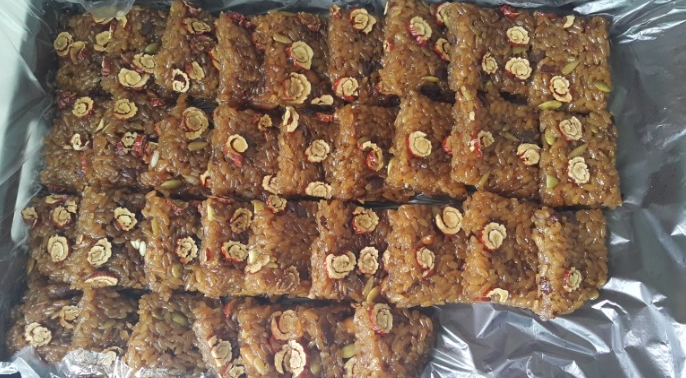
This is called yakbab in Korean. It's flavored rice mixed with honey, soybean sauce, dates or chestnuts. It's really yummy!!

Come to Sinus School in beautiful county, Goheung. It's surrounded by south sea of Korea, many beautiful flowers and clean air.

If you breathe clean air in a countryside living on a vegetarian diet, I guess the disease will dissapear
without even receiving treatment.

The reservation is mande through telephone or e-mail.
Please email me at entnosurgery@gmail.com
or call me on the phone. 82-61-832-6030


Thank You


Saturday, May 21, 2016

Self- Care Remedies for Your Nasal Problems (Sinusitis, Rhinitis, Congestion)


Development of Self-Care Remedies for Sinusitis


It has been 20 year since I began my practice specializing in nasal disorders. For my patients, I introduced self-care remedies after they receive treatment. This is simple but very effective in treating your nose. I recommend this method for those who visit my blog, if you suffer from chronic sinusitis.


The first one is nasal irrigation. Among rhinitis and sinusitis patients, there were many patients who effectively manage their condition by flushing their nasal cavity, yielding better results than medications. This, however, requires persistence practices.


Nasal Irrigation


It is recommended for patients who suffer from nasal congestion and post nasal drip. Just as washing your face or brushing your teeth, it cleanses your mucous membrane of the nose. So we could say, this is tantamount to "washing the nose," in a tactful way. Practicing this, it helps clearing the nasal passages that was blocked with mucus, which caused difficulty breathing or swallowing into the backside of the throat. Along with mucus, other micro-organisms, fungus, dust and other irritants can be washed away at the same time, preventing the nasal condition from worsening and maintain in good condition.


Three Methods of Nasal Irrigation


There are many ways to do this. However, the most cost-effective and easiest will be introduced here. Firstly, stand over a sink.


Prepare a cup of salt water at lukewarm temperature.

Pouring plain cold water into the nose can cause stingy sensation. It is similar as swimming pool water get into your nose. But lukewarm water that replicates mucus' natural salinity does not irritate the nasal mucosa as much. Once you get adjusted, the salinity level may not matter much.


While you are standing in front of the sink, pour warm salt water into one side of the nose. Alternate the side, while pinching the other side to close.


Try the salt water pour into your nose to come out through your mouth.

You could, however, adjust the amount of water pouring into your nose to drain out of your other nostril, instead of your mouth. As you gain experience, you may be able to pass the water into the mouth more easily. You should spit the water out in your mouth.


Repeat the procedure several times.


Here is another method.


Hold a mouthful of salt water in your mouth.


Tilt your head forward, so that your forehead is positioned lower than the mouth.


Block one side of the nose and make a, "mmmm" sound, inducing the water in the mouth to run through the nasal passages.


Continuing the sound moves the water to follow the resonance, exiting trough the mouth. This can be done in seconds without wetting your face once you get used to it.

The last method requires a bulb syringe that you can purchase from a pharmacy.


Fill a syringe with warm salt water.


Tilt your head so that one nostril is pointed down toward the sink and insert the tip of the syringe into your nose.


Gently squeeze the syringe.


The salt water goes into the nose and drains out the same way and exits to the sink. Occasionally, some portion of the water passes through the other side of the nose. Any water that goes to the back of the throat should be spit out.


Repeat on the other side in the same way.
 
Hopefully these methods will help you treat your nasal problems. I feel environment is connected to a human body. Where you live is closely connected to your health, thinking and way of living. If you love the nature around you then you will receive love from them. The increasing number of patients who suffer from nasal problems has a lot to do with environmental pollution.


Friday, May 13, 2016

Correlation of Environmental Pollution and Allergic Rhinitis


Correlation of Environmental Pollution, Earthquakes and Your Allergic Rhinitis


Watching the news late at night, I heard there was an earthquake in Taiwan. It had earthquakes last month, right? A few weeks ago, there was an earthquake of magnitude of 7 something in Vanuatu.
Earthquakes are a way of breathing for Earth in order to create a hole on earth. However, frequent earthquakes like nowadays have a lot to do with environmental pollution, I think. As the land for the Earth to breath gets smaller thanks to rash exploitation of the land, water and air, she causes earthquakes

As the body is also on one organic system, so does the Earth. Actually all living things are whether they are animals or plants are all alive. If you recognize the fact, you cannot just ignore even a small
living thing. Many patients visiting my clinic suffering from allergic rhinitis could not be found many when I was growing up. I believe it has a lot to do with air pollution. As the air is polluted, people's respiratory system got weakened.


The best way is to live in a clean area away from pollution. If you cannot do so, I recommend you to live on a vegetarian diet with brown rice. I myself becamesa vegetarian for this reason 5 years ago.
So people call me veggie doctor as well. = )


Treating Allergic Rhinitis and Atrophic Rhinitis Using Acupuncture
 
Either of acute and chronic rhinitis can be treated with drawing blood from the nasal mucous membranes using acupuncture


Inflammation caused by allergic rhinitis is not confined to the membrane lining of the nose, but it is a systematic condition inducing itchiness and discomfort in other parts of the body, including the eyes, conjunctiva, throat, inner ear and even anus. Therefore, treating the nose alone does not improve the condition. Subsequently, people must be mindful of changing their physical constitution through what they have on their table. Unless its symptoms are severe, a careful selection of what you eat can drive out the symptoms from the body. So, this case, I recommend patients to practice vegetarian diet.
 
The 3 common major symptoms of allergic rhinitis are transparent nasal discharge, sneezing and nasal congestion. However, clinical judgment being made during treatment is based on the severity of the sneezing. The frequency of sneezing subsides as the treatment progresses.
 
The dryness caused by under low secretion in the nasal mucosa and slight bleeding when blowing the nose are the symptoms atrophic rhinitis patients experience. Scatter-pricking the membranes reinvigorate their functions. Some constantly apply ointment, however this is not a fundamental approach.
 
The pricking therapy that rejuvenates the membranes is also applicable to other parts of the body.
 
Atrophic rhinitis patients may not feel the dryness in the entire nasal cavity. In observation, the entrance of the nasal cavity tends to be dry due to the atrophy and the membranes in the rear part of the nasal cavity are inflamed, causing excessive secretion. This type of rhinitis, therefore, exhibits both symptoms at the same time but both are treatable using the same pricking treatment in the nasal mucosa.
 
 
Let me introduce a treatment case:
 

    A lady, close to sixty-years of age, with typical allergic rhinitis came to visit. Her sneezing came to ceases after 1 to 2 hours of constant sneezing in the morning and evening.
 
     It had been over five years bearing the agony and she abstained herself from taking medicines for the condition. She experienced intense headaches as a side effect from the medications. She demonstrated amazing patience on her first visit; I was able to thoroughly prick the membranes of the nasal cavity.
 
    Unlikely chronic rhinitis, which only needs to prick the most swollen region to treat the condition, allergic rhinitis requires the entire nasal mucosa to be pricked. The hypersensitive conditions can be improved by exhaustive pricking, as if every cell in the nasal mucosa needs to be cared for. The patient's cooperation to the treatment brought near-to-perfect cure. She occasionally visits the clinic to receive acupuncture to treat her infrequent sneezing. 


 If you suffer from allergic rhinitis and want to know more about Dr. Lee's acupuncture therapy,
please go to www. amazon.com and find "The Sinus School"